Results in 3 Visits or Less. How We Do It and Why It Works.
This is a promise we make to every new patient. And it's one we keep consistently enough to put on the front page of our website.
Most patients at Concierge Physical Therapy see meaningful, lasting improvement in 3 visits or fewer. Some need only one or two. Some complex or long-standing cases take a little longer and we'll tell you that upfront. But 3 visits is our standard, not our exception.
Here's exactly how that's possible, and why it works when other physical therapy hasn't.
Why Most PT Takes So Long and Why Ours Doesn't
If you've been to a physical therapy clinic before, you might have been told you need 2–3 visits per week for 6–8 weeks. That's 12 to 24 sessions before you're expected to feel better.
There are two reasons that model exists and neither of them is clinical.
The first is insurance reimbursement. Insurance pays a fixed rate per visit. To make a traditional PT clinic financially viable under those rates, the business model requires volume. More patients, more visits, longer treatment courses. The incentive is to keep you coming back, not to get you better fast.
The second is the structure of care itself. In most insurance-based clinics, your time with the licensed therapist is limited. You spend a significant portion of each visit on machines, exercises, or with an aide, not getting hands-on treatment from the PT who evaluated you. That's not a criticism of those therapists. It's a structural problem with how the model works.
At Concierge Physical Therapy, we're a cash-pay practice. We don't bill insurance. That changes the incentive completely. Our goal is to get you better as quickly as possible, because that’s what you are paying for! It is also what generates trust, referrals, and a reputation that ultimately sustains this practice.
What Makes the Difference? The One-on-One Model
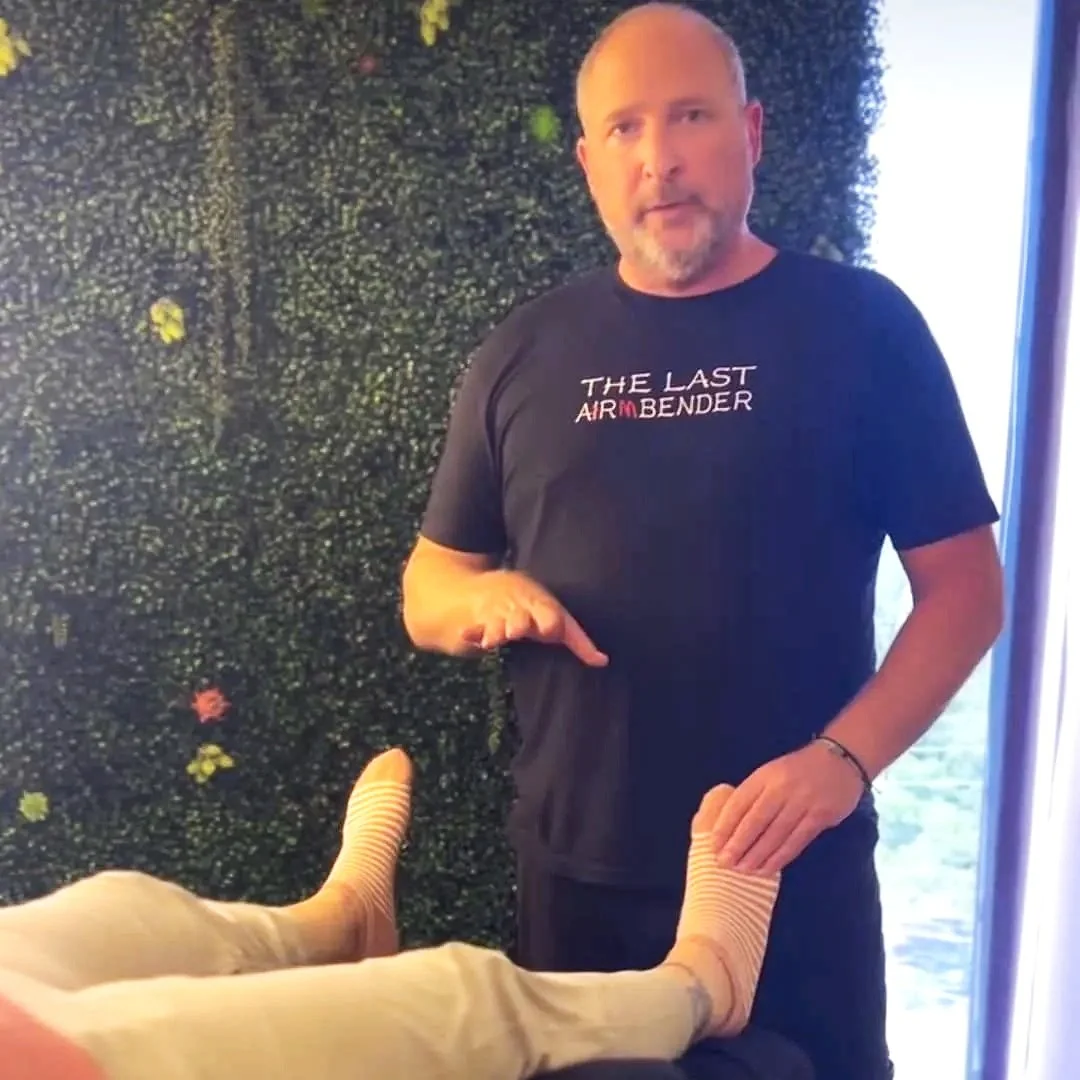
Every session at Concierge PT is with Dr. Eran Kabakov. Not 10 minutes with the PT and 40 minutes on a bike. Not a shared appointment where your therapist is managing three other patients at the same time.
One therapist. One patient. One session of focused, hands-on work.
That density of care is rare in physical therapy. It's also the most significant reason our outcomes are faster than average. When you have an experienced manual therapist working directly with you, assessing, treating, and adjusting in real time, you cover in one session what takes a traditional clinic four or five visits to accomplish.
The “Real Issue” Approach
The other key to fast results is how we approach the problem. Pain is a signal. It's not always located at the source of the problem.
The knee that hurts when you climb stairs might be driven by a hip weakness that's causing abnormal load on the joint. The shoulder that's been aching for months might have its root cause in a stiff upper back. The plantar fasciitis that won't respond to stretching might be a calf mobility problem combined with poor load distribution at the ankle.
If you treat the painful area without identifying the actual source, you get temporary relief at best. The pain comes back because the underlying issue was never addressed.
At the start of every evaluation, Dr. Kabakov spends time identifying not just where it hurts, but why it hurts, what's creating the vulnerability that's allowing that area to become painful under normal load. That root cause becomes the target of treatment.
That's why results are fast and lasting: we're fixing the problem, not managing the symptom.
What Happens in Each Visit
Visit 1 — Evaluation and First Treatment
Your first session is a full evaluation. Dr. Kabakov will assess your medical history, mechanism of injury, movement patterns, joint mobility, strength, and tissue quality, not just in the area that hurts, but throughout the kinetic chain. Within the first visit, he'll have a clear picture of what's driving the problem.
Treatment begins in that same session. You won't leave your first visit having just answered questions and been told to come back next week. Most patients notice a change in range of motion, in pain level, in how the area feels before they walk out the door.
24-48 Hours Follow up — Dr. Kabakov will be in touch via text after the visit. This helps keep you on track and enables Dr. Kabakov to assess when and if a second visit in necessary.
Visit 2 — Targeted Treatment and Progress
The second visit builds on the first. Dr. Kabakov will assess how you responded to the initial treatment, refine the approach if needed, and continue the hands-on work. By the end of visit 2, the trajectory is usually clear most patients are significantly better and have a good understanding of what to do to maintain their progress.
Visit 3 — Consolidation and Discharge Planning
The third visit is typically focused on consolidating the gains, addressing any remaining issues, and making sure you have what you need to stay well on your own. This includes any home exercises, movement modifications, or activity guidance specific to your situation.
Many patients are discharged at or before visit 3. Some return for a check-in weeks or months later when life throws something new at them. That's normal and that visit is typically short.
What This Means for You
Fewer visits means less time away from work, family, and the activities you love. It means a lower total cost even at cash-pay rates compared to 12–24 insurance-based visits with copays and deductibles stacking up.
It means you find out quickly whether treatment is working, and you're not locked into a long treatment plan before getting honest feedback about your progress.
And it means you're working with someone who has every reason to get you better fast — not to extend your care.
Is This Realistic for My Condition?
For the conditions we treat most commonly shoulder pain, low back pain, neck pain, knee pain, hip pain, plantar fasciitis, tailbone pain, prenatal and postpartum musculoskeletal pain, yes. Three visits is realistic and consistent with our outcomes.
There are situations that take longer: very long-standing chronic conditions, post-surgical rehabilitation, or cases with significant structural complexity. If your situation is one of those, Dr. Kabakov will tell you honestly at the first visit what to expect and why.
We don't make promises we can't keep. The 3-visit standard is honest, it's what we see, consistently, with the patients we treat.
Ready to Find Out?
The first step is a one-hour evaluation. You'll leave knowing exactly what's causing your pain, what the treatment plan looks like, and what a realistic timeline for recovery is.
No referral needed. No insurance approval. No waiting.
Largo clinic: 801 W Bay Dr #506 | Mon–Fri 9am–6pm | Sat 9am–1pm
St. Petersburg clinic: 420 94th Ave N | Wednesdays 10am–1pm
Frequently Asked Questions
What if I need more than 3 visits?
We'll tell you that upfront. If your condition is complex or long-standing enough to require additional sessions, Dr. Kabakov will give you an honest estimate at your evaluation. The 3-visit standard applies to the majority of conditions we treat — not every single case.
Does the 3-visit promise apply to both locations?
Yes. The same one-on-one, manual therapy approach applies at both our Largo and St. Petersburg locations.
How is this different from other PT clinics that say they get fast results?
The difference is structural. We're cash-pay and one-on-one, which means we have no incentive to extend your care and every opportunity to focus the full session on your treatment. Most clinics that claim fast results are still working within the insurance model which limits how much hands-on time is actually possible per visit.
Can I use my HSA or FSA?
Yes. Physical therapy is an eligible expense under both HSA and FSA plans. Many patients use these funds to cover their sessions at Concierge PT.