
Hip Pain Treatment in Largo, FL
Hip pain can show up as a deep ache in the groin, outer hip, or buttock and it often gets blamed on the wrong structure. Many people are told they have arthritis when the real issue is joint mechanics, soft tissue restriction, or muscle imbalance. Manual therapy identifies the actual cause and treats it directly.
What Causes Hip Pain?
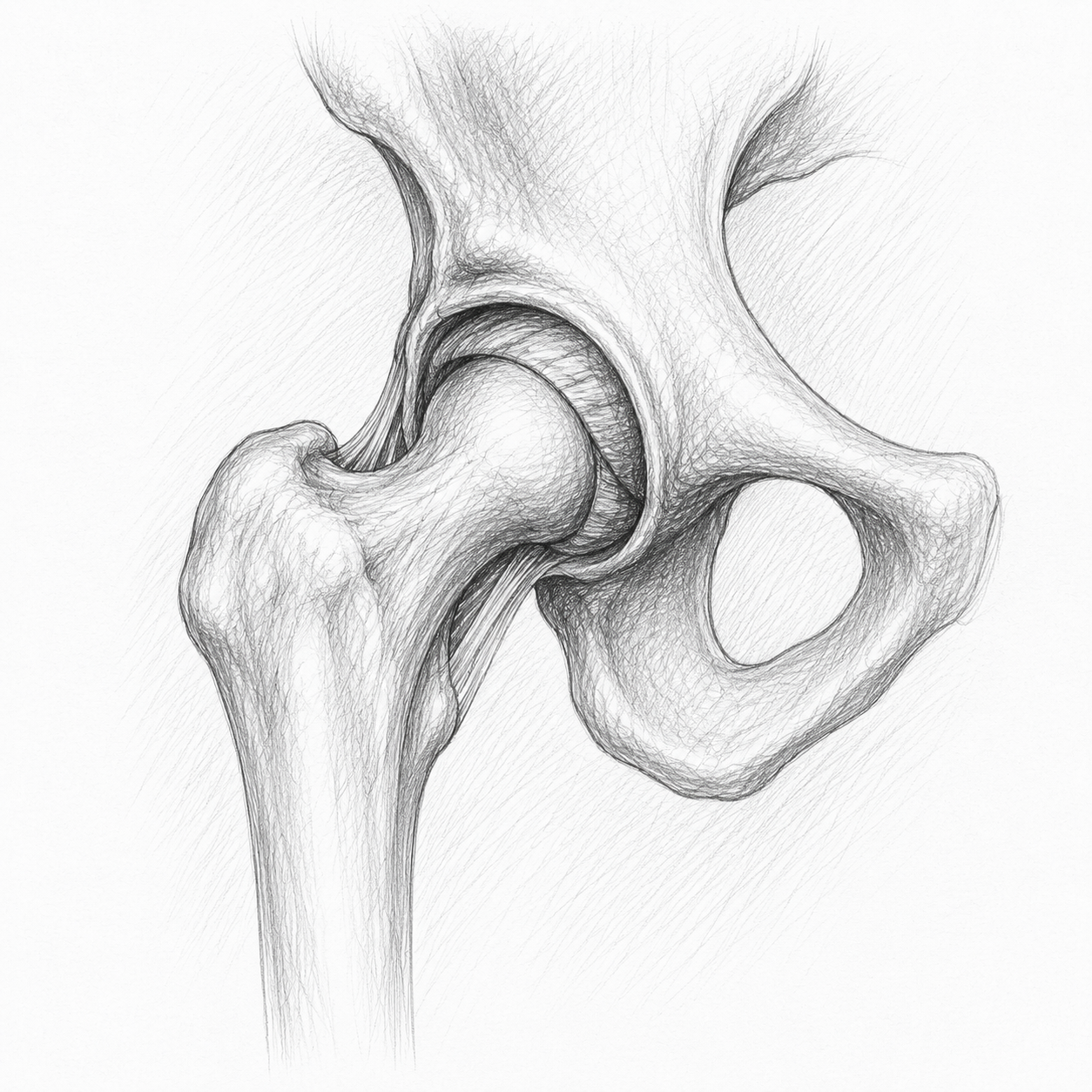
The hip is a ball-and-socket joint designed for both stability and a wide range of motion. It bears the full load of your body weight with every step, and when something is off whether in the joint itself, the surrounding muscles, or connected structures like the lower back and pelvis pain develops quickly.
Most common causes include:
Muscle tightness or weakness in the hip flexors, glutes, or external rotators
Joint restriction or cartilage wear from overuse or aging
Repetitive impact from running, walking, or standing for long periods
Compensation patterns from a previous knee, back, or foot injury
Trauma from a fall or direct impact
Symptoms of Hip Dysfunction:
You might be dealing with a hip problem if you're experiencing:
Deep groin pain or aching in the front of the hip
Outer hip pain when walking, climbing stairs, or lying on your side
Buttock pain that mimics sciatica
Stiffness in the morning or after sitting for long periods
A clicking or catching sensation with hip movement
Limited range of motion when rotating the leg or crossing it over
Conditions We Treat
Hip osteoarthritis — joint degeneration causing stiffness, groin pain, and reduced range of motion
Hip impingement (FAI) — pinching of the joint from bone shape or movement dysfunction causing groin pain with flexion
Greater trochanteric bursitis — outer hip pain from inflammation of the bursa over the greater trochanter
Hip flexor tendinopathy — pain at the front of the hip from overuse or prolonged sitting
Piriformis syndrome — deep buttock pain from piriformis tightness compressing the sciatic nerve
Sacroiliac joint dysfunction — pain at the base of the spine and into the hip, often mistaken for hip joint pathology
Labral tear — catching, clicking, or deep groin pain from damage to the hip's cartilage ring
Post-surgical hip rehab — recovery after hip replacement or labral repair
How Do We Help?
Hip pain rarely exists in isolation the lower back, pelvis, and knee all influence how the hip moves and loads. At Concierge Physical Therapy, we assess the full kinetic chain before treating, so we address what's actually driving the pain rather than just where it hurts.
Our hip care approach includes:
Manual therapy — joint mobilization and soft tissue work to restore hip range of motion and reduce pain
Pelvis and lumbar assessment — identifying contributing factors from the lower back and SI joint
Neuromuscular re-education — reactivating the glutes and hip stabilizers to offload the joint
Individualized home plan — targeted movements to maintain progress between sessions
Most patients with hip pain see meaningful improvement in three visits or less. No referral needed as Florida is a direct access state, so you can book directly without seeing a doctor first.
Frequently Asked Questions About Hip Pain Treatment
How do I know if my hip pain is coming from the hip joint or somewhere else?
Hip pain is commonly misattributed pain felt in the hip area can actually originate from the lumbar spine, SI joint, or even referred from the knee. True hip joint pain is typically felt deep in the groin or the front of the hip and often refers down the thigh. Pain on the outside of the hip (lateral hip) is usually not the hip joint at all it's more often the IT band, hip flexors, or bursa. A hands-on evaluation is the most reliable way to identify the true source.
Can hip pain be treated without a hip replacement?
Frequently, yes. Hip arthritis, bursitis, and impingement often respond well to manual therapy, especially when caught before end-stage joint degeneration. Even patients with significant hip arthritis on imaging can experience meaningful pain reduction and improved function. If you've been told a replacement might be in your future, it's worth trying a focused course of manual therapy first.
What's causing my hip pain when I sit for long periods?
Prolonged sitting compresses the hip flexors and anterior joint capsule while switching off the glutes. This combination creates a predictable pattern of hip pain that worsens the longer you sit and often feels stiff and achy when you first stand up. It's very common in desk workers, drivers, and anyone spending a lot of time seated. Manual therapy to restore hip mobility combined with glute activation work typically resolves this quickly.
Is hip pain common during or after pregnancy?
Yes, hip and pelvic girdle pain are extremely common during and after pregnancy due to hormonal changes that affect joint stability. This is completely treatable with manual physical therapy and doesn't have to persist postpartum. If you're dealing with hip pain during pregnancy, we can treat you safely at any trimester.
How many visits will I need for hip pain?
Most hip pain presentations improve meaningfully in 2–4 visits. Longer-standing issues or significant arthritis may take more time. We'll give you a realistic estimate after your evaluation. Schedule now.